
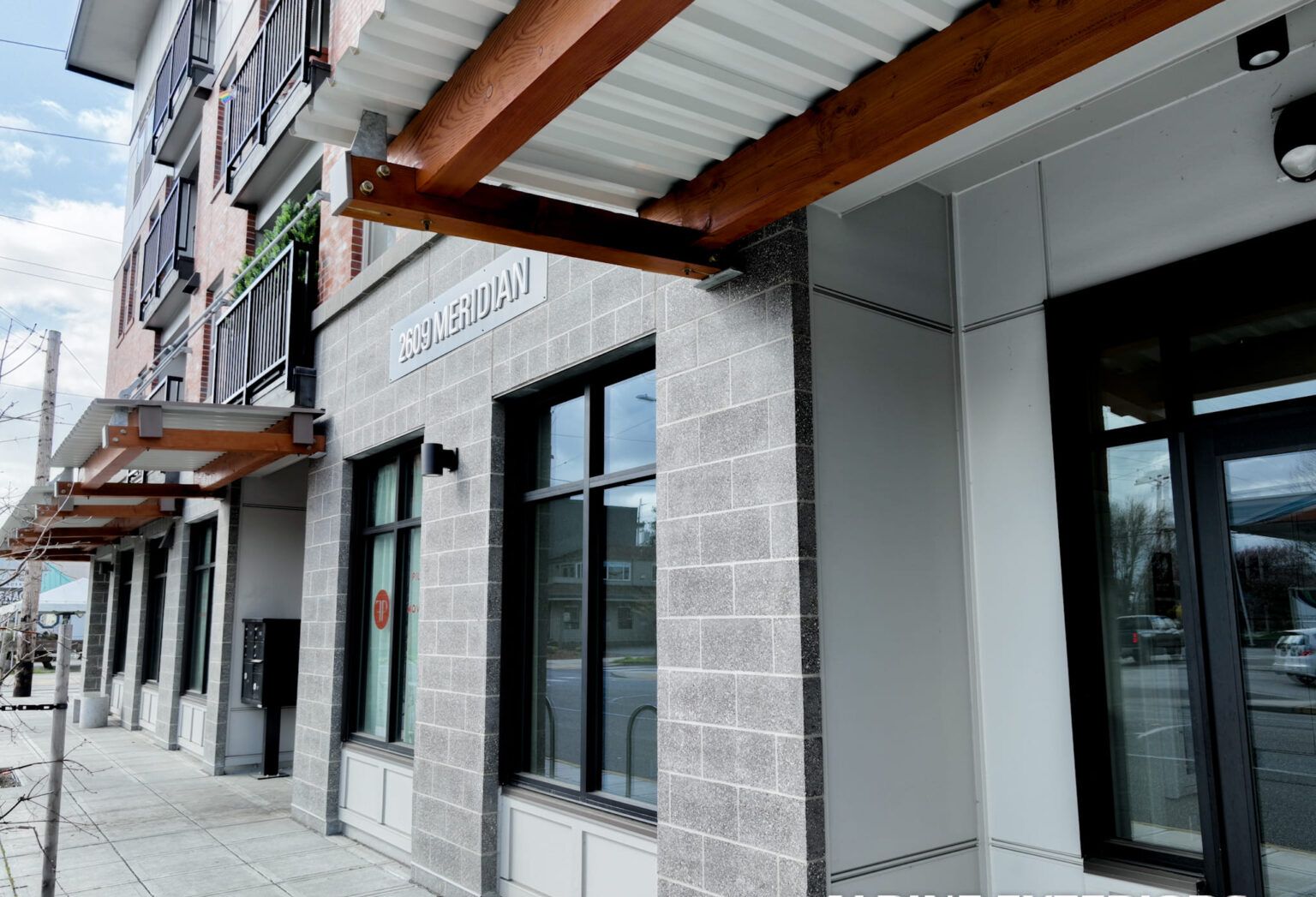
Crystal Springs sits in the rolling, oak-shaded stretch of unincorporated Pasco County between Zephyrhills and Plant City — horse pastures, wooded acreage, and a growing number of newer deed-restricted subdivisions mixed in with older ranch-style homes. That combination changes the color conversation compared to, say, a beachfront property. You're not fighting salt spray here, but you are fighting intense Gulf Coast sun, thick canopy shade that breeds mold and mildew on north-facing walls, sudden summer storms with real wind loads, and in some newer developments, an HOA architectural committee with an opinion about your exterior. This guide walks through what actually holds up in this specific pocket of Tampa Bay, not generic advice written for a different climate.
For most Crystal Springs homes, we point clients toward warm, mid-tone neutrals — greige, warm gray, clay, and soft sand tones — with white or a dark bronze/black used only as an accent on trim, shutters, or a garage door. These hold color well under intense UV, don't show pollen and organic mildew streaking as fast as pure white or deep black, and they read well against the oak canopy and pasture views common on Crystal Springs lots. If your property sits inside one of Pasco's newer planned communities, a muted blue-gray or soft sage is often the better fit because it tends to clear architectural review committees without a fight, since those palettes are already common on the approved lists builders filed with the HOA.
We're not ranking these colors on looks alone. Every recommendation below was weighed against five things that actually matter for a house in this part of Pasco County:
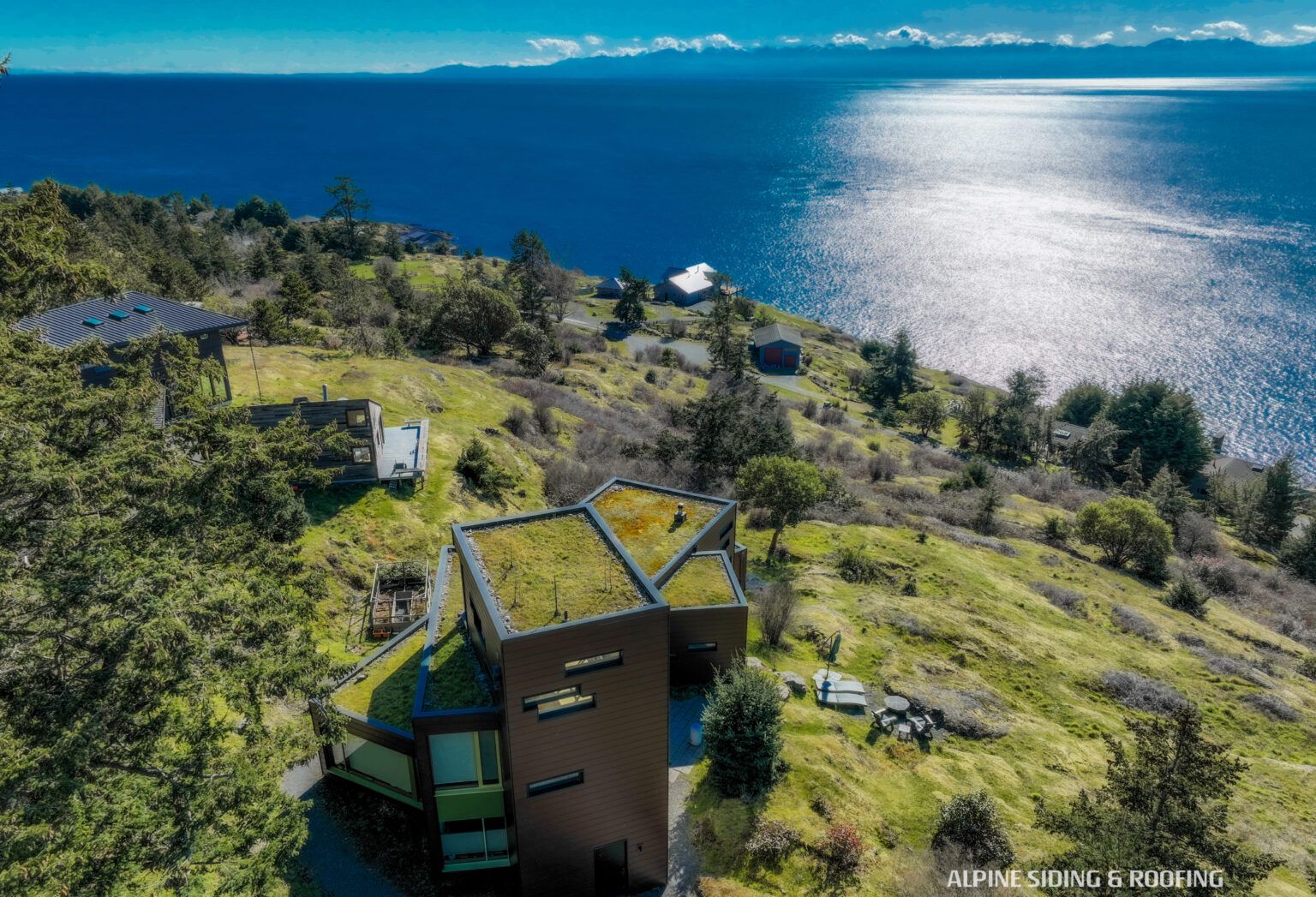
This has become the most common request we get across Tampa Bay, and it earns the spot honestly. Warm gray sits between beige and gray, which means it doesn't read cold under harsh midday sun the way a true cool gray can, and it doesn't yellow the way some beiges do as pigments age. It pairs naturally with the oak-and-pasture backdrop typical of Crystal Springs and photographs well against both brick and stone accents. The drawback: because it's popular, you'll see it on a lot of neighboring homes, and very light greige shades can show pollen dusting in spring almost as readily as white.
These earthy, mid-value tones fade gracefully — you generally don't get the harsh two-tone look of a badly faded dark color, because the starting point already has warmth and depth. They also hide dirt, oak pollen, and light mildew better than lighter neutrals. On the downside, in direct, unshaded full sun these can look a shade lighter than the sample chip within a year or two, so it's worth asking your contractor to show you a large sample outdoors, not just a small swatch indoors, before committing.
White reflects heat well, which helps keep the wall assembly cooler and is friendlier to vinyl products in full sun. It also tends to be the easiest color to get approved in an HOA-governed subdivision, since it's rarely flagged as out of character. The honest downside is maintenance visibility: on the shaded, tree-covered lots common in Crystal Springs, white shows mold, mildew, and organic staining faster and more obviously than almost any other color, particularly on north-facing walls that don't get direct sun to help them dry out. If you go white, budget for periodic soft-washing.
Charcoal and near-black tones look sharp on a front door, shutters, gutters, or a garage door, and they create real curb-appeal contrast against a lighter field color. As a full-field siding color, though, we're cautious about recommending it here. Dark colors absorb significantly more heat, and on vinyl siding that heat gain is the leading cause of warping and buckling in Florida installations — many manufacturers either restrict dark color options on standard vinyl or require a heat-reflective formulation to cover it under warranty. Fiber cement handles dark colors more forgivingly, but even then, a full dark-charcoal house will fade unevenly on its sun-exposed sides faster than a mid-tone will.
A softened, low-saturation blue-gray reads calm and a little more contemporary than the standard greige, and it tends to sit well on the approved-palette lists we see at newer Pasco subdivisions. It resists the yellowing that can affect warmer neutrals over time. Its weakness is subtlety: in flat, overcast light this color can look a bit dull or muddy, and against Crystal Springs' green, wooded lots it sometimes disappears into the background rather than standing out — which some homeowners want and others don't.
Less common, but worth a mention because it plays exceptionally well with the oak canopy and rural, pastoral setting many Crystal Springs properties have. It's a distinctive choice that still reads as neutral rather than bold. The tradeoff is resale flexibility — a strong sage is a more personal choice, and it's a color you'll want to confirm against your specific HOA's approved list before ordering, since green tones get flagged more often than neutrals in covenant review.
A few choices consistently cause problems for homeowners in this area, and it's worth naming them directly. Avoid saturated, high-chroma colors — bright reds, true blues, deep purples — as a primary siding color; UV exposure this intense will visibly dull a bold pigment faster than a muted one, and most Pasco-area HOAs won't approve them anyway. Avoid true black or near-black as a full-field vinyl color unless your product line is specifically rated for it; the heat-warping risk is real and can void a manufacturer's warranty. And be cautious with very light, bright white on heavily shaded, tree-canopied lots — it's the color that shows mildew and algae streaking the fastest in Pasco County's humidity, and it will need washing more often than any other option on this list to keep looking clean.
It depends on where exactly you're located. Many of the older, larger-lot and equestrian properties around Crystal Springs have no recorded architectural covenants at all, but several newer platted subdivisions in this part of Pasco County do carry deed restrictions with an approved color list. Check your recorded HOA documents or ask your property manager before ordering material — it's a five-minute check that avoids a costly reorder.
On vinyl siding, yes, this is a legitimate concern — dark colors absorb more solar heat, and many manufacturers cap how dark a standard vinyl color can be, or require a heat-reflective formulation, specifically because of warping risk in high-sun climates like ours. Fiber cement and engineered wood siding tolerate dark colors better since they don't soften with heat the way vinyl can. We'll tell you plainly which colors are safe on which material before you buy.
Most quality siding here benefits from a soft wash roughly once a year to remove pollen, algae, and mildew buildup, more often on shaded north-facing walls under oak canopy. Fading is gradual and driven mainly by UV exposure on sun-facing elevations; factory-finished fiber cement and quality vinyl are formulated to resist it for many years, but no exterior color is fade-proof under Florida sun indefinitely.
No — color is a surface finish and has no bearing on a product's wind rating. What matters is that the underlying siding product carries a current Florida Product Approval and is installed to meet Florida Building Code wind-load requirements for this region. Alpine Exteriors only installs product lines that already meet that standard, so you can choose the color you want without compromising the material behind it.
Color choices look different on a screen than they do against your actual roofline, trim, and tree line. Alpine Exteriors serves Crystal Springs and the rest of Pasco County alongside our Tampa Bay service area, and we can bring large-format samples out to your property so you see how a color actually behaves in your specific light and shade conditions before you commit. Alpine Exteriors is a licensed Florida contractor (RB29003900) — reach out and we'll walk your property, talk through HOA requirements if they apply, and help you land on a color that still looks right in ten years, not just on install day.