
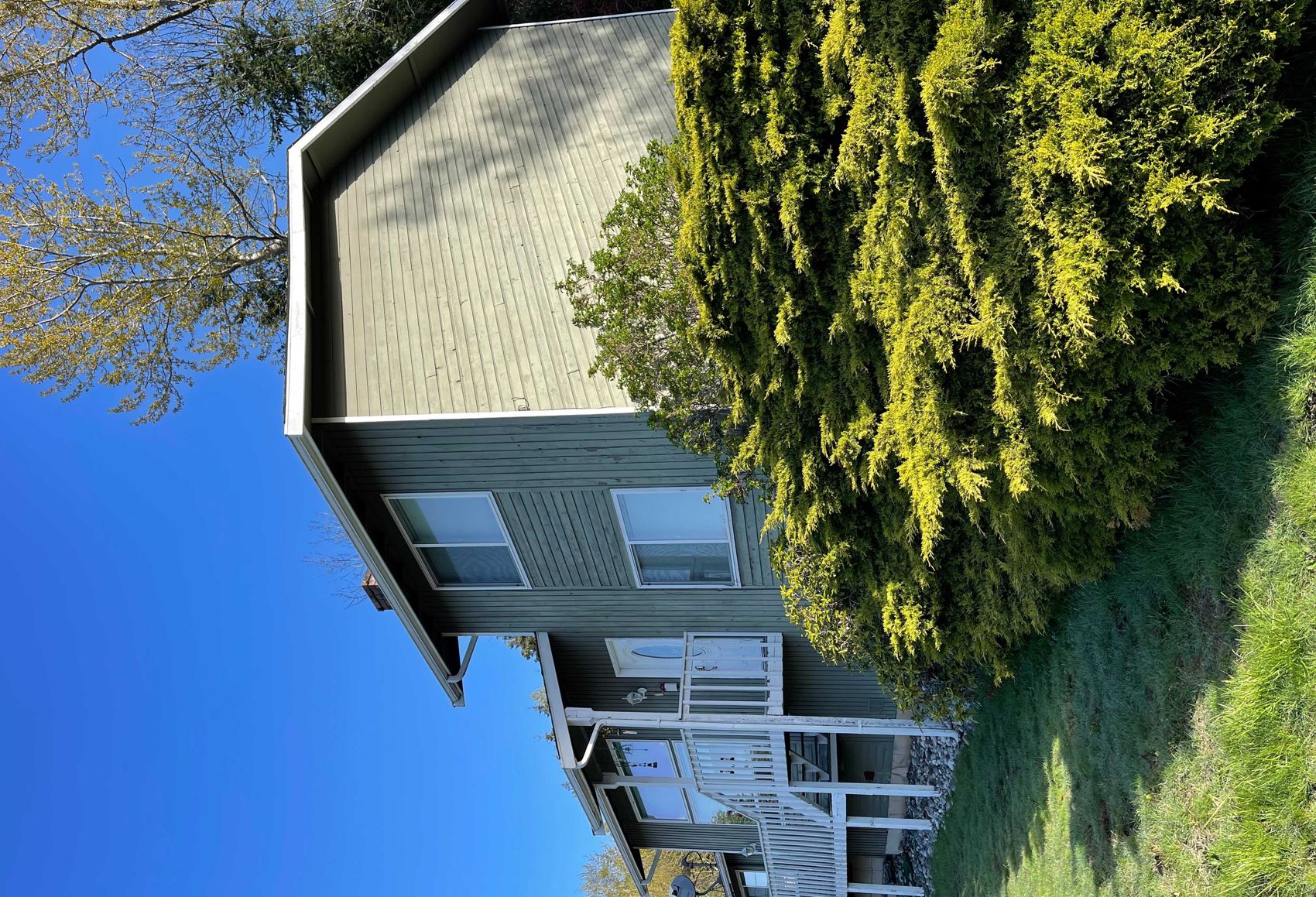
If you want a fast recommendation for a Northdale home, start with warm neutrals: greige, warm gray, sandy taupe, or a soft driftwood brown. These tones hold up best against three things that define siding here: intense Florida UV, the mildew film that settles under Northdale's mature oak and pine canopy, and the architectural review committees that govern many of this community's HOA sections. A muted sage or olive green is a close second, especially on lots shaded by heavy tree cover, since it echoes the surrounding landscape rather than fighting it. None of these are flashy answers, and that is the point. In a climate this harsh on exterior finishes, the color that looks best in five years usually wins over the color that looks best on day one.
We are not ranking these colors on trend appeal alone. Northdale sits inland in Hillsborough County, which changes which environmental stresses actually matter for a siding decision:
| Color Family | Best For | Watch Out For |
|---|---|---|
| Warm greige / taupe | Most Northdale lots; easiest HOA approval; pairs with brick and warm-gray roofing | Can read a little flat under deep shade without a contrasting trim color |
| Soft white / warm linen | Sun-exposed, open lots; reflects heat well; classic resale appeal | Shows mildew and pollen streaking fastest under oak canopy; needs more frequent washing |
| Muted sage / olive | Heavily wooded, shaded lots; blends with landscaping instead of fighting it | Some ARCs treat green as a "statement" color and require special approval; can feel dated to some buyers |
| Driftwood brown / warm khaki | Homes with stone or wood-tone accents; strong fade performance in baked-on fiber cement finishes | Absorbs more heat than white or light greige, though far less than charcoal or navy |
| Charcoal / deep navy | Accent walls, shutters, gables, or trim in small doses; strong curb-appeal punch | Highest heat absorption and fade rate of any option here; real thermal-warping risk on full-field vinyl; often capped or restricted by HOA covenants |
A few things are worth expanding on beyond the table. Warm greige and taupe tones have become a go-to recommendation for us at Alpine Exteriors on Northdale projects for a simple reason: they are forgiving. They hide the fine dust and pollen film that settles on every home in this area, they photograph well against both brick and stucco accents, and they are almost never the color an HOA committee flags for a second look. Soft white is a genuinely strong performer for reflecting heat and keeping a home cooler, and it remains a classic, high-resale choice — but be honest with yourself about how much tree canopy shades your specific walls, because a white house under a heavy oak canopy will need pressure washing more often than the same house in full sun.
Sage and olive green deserve more credit than they usually get in Florida siding conversations. On a lot with mature landscaping, a muted green field color stops competing with the yard and starts working with it, and it tends to hide the kind of light green-black mildew bloom that shows up on north-facing walls faster than almost any other color family does, because the color and the stain occupy a similar tonal range. The tradeoff is that it is a more distinctive choice, so if your section's covenant leans conservative, confirm approval before you commit.
Driftwood brown and warm khaki tones are a strong middle path: enough depth to hide dirt and pollen, enough warmth to complement the stone and brick accents common on Tampa Bay-area builds, and — if you go with a factory-baked finish on fiber cement rather than a field-applied paint — genuinely good fade resistance, because factory coatings are cured and bonded in a way that on-site paint simply cannot match.
Charcoal and deep navy are where we ask homeowners to slow down. They look sharp in a photo and they are increasingly popular as accent choices on gables, shutters, and front-door surrounds. Used sparingly, they add contrast without taking on the downside. Used as a full-field siding color, especially in vinyl, they carry real risk in this climate: dark vinyl absorbs enough solar heat on west-facing Florida walls to expand and distort over years of exposure, and the fade curve on dark pigments is steeper than on light ones, meaning the rich charcoal you install today can visibly lighten and streak within a handful of summers.
No. Wind performance under the Florida Building Code is governed by the siding product's material, panel thickness, and fastening pattern, each of which carries its own Florida Product Approval — color is a cosmetic finish layer and has no bearing on that rating. The one practical connection is that certain colors are sometimes only available in a manufacturer's lighter-duty product line, so it is worth confirming your preferred color is offered in a panel that actually carries the wind rating your Hillsborough County lot requires before you fall in love with a shade.
Yes, in general. Darker, more saturated pigments absorb more UV energy than light ones, and that energy is what breaks down the color molecules over time. Tampa Bay's sun exposure is intense and sustained for most of the year, which accelerates that breakdown compared to milder climates. You can slow the effect by choosing a factory-baked finish, such as a ColorPlus-style fiber cement coating, over a field-applied paint, but even the best dark finishes will fade faster than a comparable light or mid-tone color installed on the same wall.
Many Northdale sections do operate under HOA covenants that require Architectural Review Committee approval before an exterior color change, and most of those covenants steer toward a defined, earth-toned palette rather than an open choice. The specifics vary by subdivision, so the only reliable step is pulling your section's covenants or contacting your HOA management company before ordering material. Alpine Exteriors routinely helps homeowners prepare color samples and product specs in the format an ARC typically wants to see, which speeds up approval either way.
Lean toward a mid-tone warm greige, taupe, or muted sage rather than a stark white or a very dark color. Deep shade slows drying time after rain, which is what feeds mildew growth, and mid-tones do the best job of hiding that early staining between cleanings while still reflecting enough heat to avoid the thermal-expansion issues that plague dark colors on sun-exposed walls elsewhere on the same house.
Picking a siding color in Northdale means balancing sun exposure, tree canopy, and your HOA's approval process all at once, and the right answer genuinely differs from one lot to the next depending on which walls face west, how much oak canopy you have, and what your section's covenants allow. Alpine Exteriors, Florida-licensed contractor RB29003900, works throughout Tampa, Wesley Chapel, Lutz, Land O' Lakes, New Port Richey, Plant City, and Zephyrhills, and we're glad to walk your Northdale property, pull sample panels in real daylight against your brick and roofline, and help you prepare whatever documentation your HOA's Architectural Review Committee needs. Reach out to Alpine Exteriors for a straightforward, no-pressure color and product consultation.